Next-generation green and intelligent shipping systems are the focus of the global maritime industry's transformation, which combines the concepts of digitalization and low-carbon development to greatly improve the efficiency, safety, and sustainability of maritime transportation. Among reengineering efforts of the system of systems are cutting-edge technologies integration in various dimensions such as:
Ship Remote Monitoring and Maintenance
Ship New Energy Power
Shipping Carbon Footprint Monitoring
Port Intelligent Scheduling
Autonomous Ship Navigation
These five components serve as the industry drivers of the next wave of technological breakthroughs.
One of the technology areas where Ship Remote Monitoring and Maintenance have brought the sea vessel to a new level is equipment diagnostics and maintenance planning. In such a system, a wide variety of sensors target a comprehensive parameter set on the hull, power plant, and cargo compartments, thus enabling one to know the condition of engines, list structural stress, temperature of cargo, etc. Operating parameters and environmental readings are continually monitored and data sent to the shore control center through 5G and satellite communication to ensure that operators are forewarned of potential failures and consequently unplanned down time risks are minimized. Meanwhile, maintenance schedules also get upgraded, resulting in less downtime, lower maintenance costs, and higher operating efficiency of the vessel. The technology has been widely adopted by several major shipping companies, and after the first rollouts over their large bulk carriers and containers, the working teams noticed a 30% drop in maintenance average downtime and a 20% cut in the related costs.
Ship New Energy Power turned out to be a vital instrument in the greening of the shipping industry under the global call for carbon neutrality, where the development and introduction of new propulsion solutions had been ramping up significantly. They include, among others, bi-fuel/diesel engines running on LNG and hydrogen generation fuel cells, battery-electric propulsion and wind-assisted propulsion systems. By using these new power sources the vessels drastically reduce carbon dioxide (CO2), sulfur oxides (SOx), and nitrogen oxides (NOx) emissions and at the same time production of noise and vibrations is lowered thus making the onboard environment more comfortable. For instance, electric inland vessels propelled by batteries when navigating main inland waterways have the advantage of releasing zero emission, while on the other hand, ocean-going ships powered by LNG reduced their carbon emissions by more than a quarter as compared with the conventional diesel-powered vessels. Steady advancements in Ship New Energy Power systems are facilitating faster achievement of the shipping industry's carbon peak and carbon neutrality goals.
In order to track the carbon emission changes efficiently and bring them under control, Shipping Carbon Footprint Monitoring is introduced as an indispensable node in the circle of next-generation green and intelligent shipping systems. Employing the technologies and software of big data, Internet of Things, and blockchain, this first-of-its-kind technology supports the tracking of the carbon emissions throughout the shipping process which is also known as carbon life-cycle emissions, and thus the sectors of fuel combustion, terminal operations, and freight transport are all taken care of. Carbon emission reports are generated on the fly from the monitoring system turning thus into a readily available tool without the need for third-party data verifications for the shipping company to push forward with the formulation of their emission reduction strategies, to be in line with the international carbon emission regulations and to be better at responding to their customers' low-carbon aspirations. With the adoption of global organizers of maritime emission reduction regulations e.g. Carbon Intensity Indicator (CII) and the International Maritime Organization (IMO)'s 2050 carbon neutrality goal, it is a must-have for Shipping Carbon Footprint Monitoring to be well and truly implemented by shipping enterprises wishing to stay at the forefront of the shipping business competition.
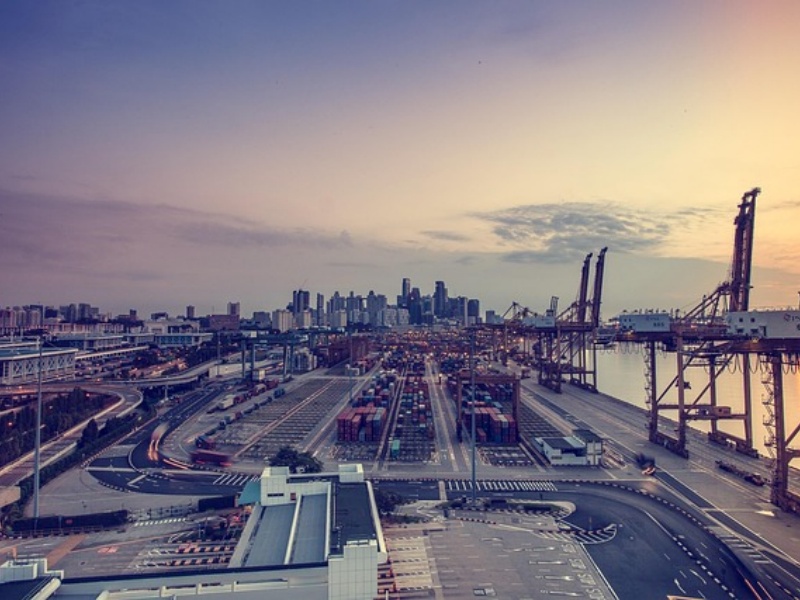
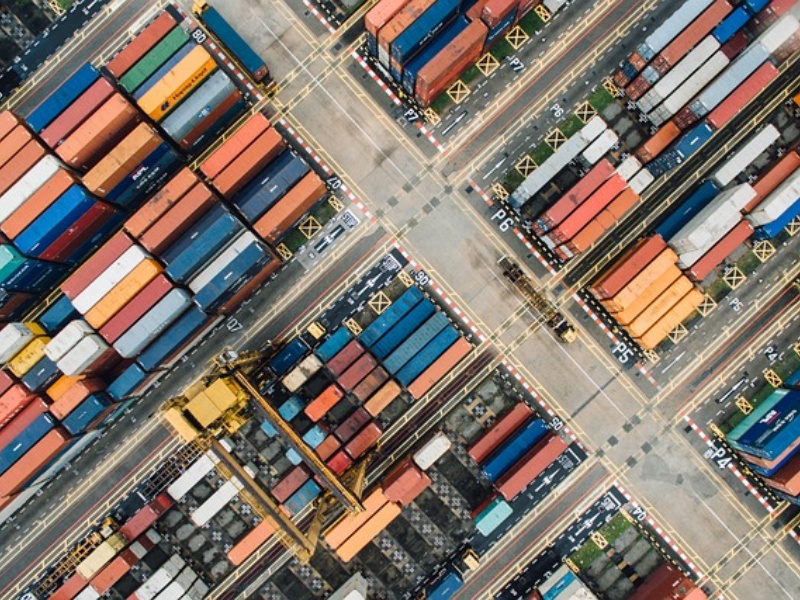
Port Intelligent Scheduling plays a crucial role in linking ships, ports, and cargo, and is also a major factor in increasing the efficiency of the maritime logistics chain. Leveraging AI, big data, and Automatic Identification System (AIS) technologies, the Port Intelligent Scheduling can intelligently plan ship berthing, ensure a rational allocation of loading and unloading equipment, and schedule inland transportation resources in the most optimal way. Not only that, but it also coordinates operations of various port links, including customs clearance, cargo storage, and transshipment, thereby seamlessly connecting the logistics chain and lowering overall logistics costs. Some leading-edge smart ports have implemented this technology and obtained a 40% increase in berthing efficiency and a 25% reduction in cargo turnover time, Autonomous Ship Navigation is the epitome of intelligence in the shipping industry's evolution, which combines the power of computer vision, automatic control, artificial intelligence, and maritime communication. The autonomous navigation system can perform a range of functions such as automatic route planning, obstacle avoidance, and berthing/unberthing without any human intervention, which not only makes navigation safer and more reliable but also makes the crew less necessary and hence can save a lot of labor costs. At present, this technology has gone through sea trials in a number of locations worldwide, and some autonomous ships operating locally and on inland waterways have been commercially launched. With the technology becoming increasingly reliable and the regulations improving, Autonomous Ship Navigation will soon become a common sight in the global shipping industry, thus completely changing maritime transportation.
The combined utilization of these key technological enablers has ushered the shipping industry in a complete upgrade to a green, smart, and efficient mode of operation. Next-generation green and intelligent shipping systems not only solve the traditional shipping industry's issues of energy-intensive, emission-heavy, and low-efficiency operations but also bring about an industry-wide paradigm shift to a new and prosperous era. At CITSE, attendees can discover the latest breakthroughs and case studies in next-generation green and intelligent shipping, talk to the industry's experts and technical leaders, and get a glimpse at the future of shipping. Fueled by these state-of-the-art technologies and solutions, shipping companies will be in the driver’s seat of transformation and upgrading, and will also be able to raise their core competitiveness, thereby playing their part in the sustainable development of the world maritime industry.
FAQ – Frequently Asked Questions
1. Where and when will the Expo be held?
The event will take place days from May 13 to 15, 2026. Furthermore, the place of the event will be the Xiamen International Conference and Exhibition Center (XICEC), Xiamen, China, and the exact location is Hall C.
2. What is the size of the exhibition?
The place of the event will be about 40,000 m². The main topic of the event will be 350 companies. Besides, the event also has the ambition to draw at least 30,000 professional visitors from different parts of the world.
3. What kind of sports are there?
The organizing committee is prepared to organize more than eighty expert boards and activities. Moreover, they will discuss such topics as intelligent mobility, communication in transportation, safety, and sustainable development.
4. How many countries and regions are there?
Smart transportation could be a world summit where representatives of more than eighty different countries and regions are invited.
5. Cooperation possibilities exist, right?
We couldn't be more in agreement! The event, which consists of more than 1,000 global partners, is an excellent point where business cooperation, technological exchange, and investment exploration can happen.
6. Who can I talk to for the info?
Suppose you want to get even more facts than this. In that case, you may talk with the Organizing Committee via the "Contact Us" segment at the official website.