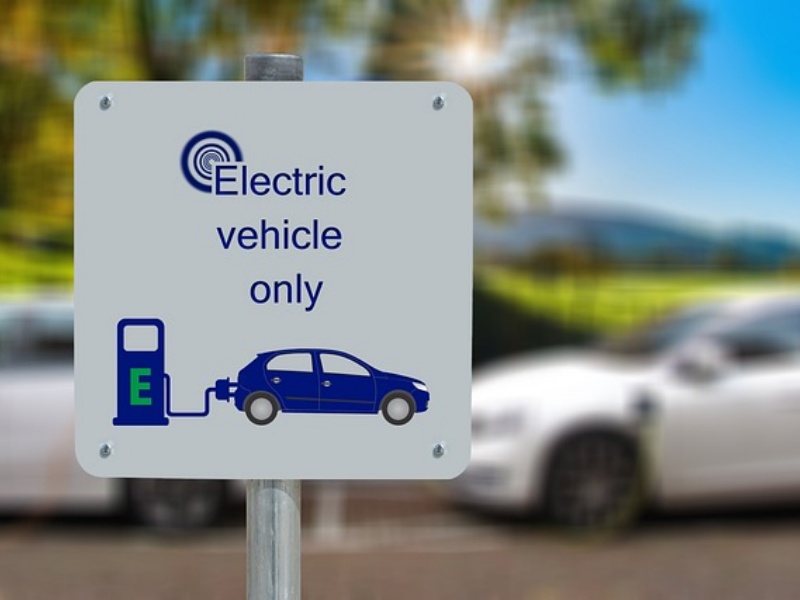


Cutting-edge Transportation-energy integration technologies and systems represent a core direction for the coordinated development of the intelligent transportation and energy industries, establishing a comprehensive industrial ecological layout covering the entire industrial chain of transportation-energy collaboration. This technological and systematic framework fully embodies the in-depth integration of transportation networks and energy networks, with core technological breakthroughs and the implementation of diverse application scenarios as the main thread, highlighting its innovative value and crucial practical significance in driving industrial upgrading.
One of the core supporting technologies of Transportation-energy integration technologies and systems is energy storage-charging integrated technology. By integrating photovoltaic power generation, energy storage systems, multi-mode charging facilities, and battery detection functions, this technology forms an efficient and coordinated energy supply unit. With the help of this integrated technology, it can effectively stabilize the fluctuation of new energy output, avoid the impact of high-power charging on the power grid, and realize self-sufficiency of clean energy in core scenarios such as urban energy supply nodes and transportation hubs. Currently, this technology has achieved multiple breakthroughs in bidirectional energy flow control, battery life protection, and efficient energy conversion, and has been successfully applied in typical scenarios such as energy supply stations in urban core areas and energy stations in highway service areas, verifying its technical maturity and scenario adaptability.
Transportation-energy big data technology is the intelligent core support of Transportation-energy integration technologies and systems. Relying on big data, artificial intelligence, and Internet of Things technologies, this technology can realize the full-life-cycle collection, analysis, and application of data from all scenarios including electric vehicles, charging facilities, energy stations, and power grids. Through advanced data mining algorithms, transportation-energy big data technology can accurately predict the changing trends of transportation energy demand, optimize energy scheduling strategies, and provide strong data support for the efficient and stable operation of Transportation-energy integration technologies and systems. At present, a complete technical system covering transportation-energy big data analysis platforms, real-time data monitoring terminals, and data security protection solutions has been formed, fully demonstrating the core role of data-driven intelligence in promoting the upgrading of the transportation energy industry.
The smart park transportation-energy microgrid is an important application scenario implementation form of Transportation-energy integration technologies and systems. Such applications construct an independent and efficient park-level energy circulation system by integrating household and industrial charging facilities, roof photovoltaic systems, distributed energy storage units, and electric vehicle fleets within the park. By realizing the coordinated interaction of "vehicle-home-grid-park", the smart park transportation-energy microgrid can significantly improve the utilization rate of clean energy in the park, reduce the comprehensive operation costs of transportation and energy, and provide a replicable and promotable demonstration model for the green transformation of scenarios such as industrial parks and residential communities. At present, a mature solution including an overall design plan, core control equipment, and a full-process operation and maintenance system has been formed, and the operating data of typical projects in different regions have fully verified its technical feasibility and economic value.
The regional transportation-energy management and control platform is the core hub of Transportation-energy integration technologies and systems. This platform integrates core functions such as remote equipment monitoring, energy supply and demand balance regulation, and multi-energy complementary scheduling, realizing the unified management and optimal allocation of transportation energy resources within a regional scope. By efficiently coordinating the operating status of new energy power stations, energy storage facilities, charging networks, and transportation fleets, the platform can significantly improve the stability and operational efficiency of the regional energy system, and at the same time provide accurate data support and scientific strategic suggestions for decision-making work such as energy security supervision and carbon emission management. Its built-in intelligent scheduling demonstration module, real-time data visualization system and other functions intuitively present the core logic and application value of regional transportation-energy collaborative management.
New energy transportation infrastructure is a key carrier support for Transportation-energy integration technologies and systems, covering core products such as high-speed charging piles, wireless charging equipment, battery swap stations, photovoltaic power generation components dedicated to transportation scenarios, and energy storage batteries. These infrastructure products have the characteristics of high efficiency, safety, and intelligence, which not only provide reliable hardware guarantees for the popularization of electric vehicles and the construction of green transportation networks, but also constitute the basic network for the implementation and application of Transportation-energy integration technologies and systems. After a large number of practical application verifications, the relevant products have formed a mature technical standard system, which centrally reflects the latest technological development trends in the field of new energy transportation infrastructure.
The research and development as well as application of Transportation-energy integration technologies and systems are based on rich industry experience and professional technical accumulation. Relevant technologies and products have passed strict quality and safety certifications and have been successfully implemented in many key projects at home and abroad, fully demonstrating their professionalism, authority, and reliability. As a core driving force for promoting the high-quality development of the global intelligent transportation and new energy industries, the continuous innovation and exchange and cooperation in this field of technology and systems are of great significance for practicing the green and low-carbon development strategy.
From the perspective of development trends, Transportation-energy integration technologies and systems are evolving towards in-depth integration with autonomous driving and vehicle-road coordination. The innovative model of "autonomous driving vehicles + mobile energy storage" has shown great potential application value in intelligent scheduling, which is expected to bring a new revolution to the efficiency improvement and safety guarantee of the transportation energy system. At the same time, the industry is actively exploring market-oriented mechanisms for transportation-energy integration. Relevant explorations such as time-of-use electricity prices, demand response subsidies, and V2G transaction mechanisms will provide a more complete ecological support for the sustainable development of technologies and systems.
With its leading technical level and extensive practical application capabilities, Transportation-energy integration technologies and systems provide innovative directions for industry technical researchers, create development opportunities for enterprise operators, and offer strategic references for government decision-makers. Its continuous development and promotion and application will further promote the in-depth coordination of the transportation and energy industries and contribute core strength to the global green and low-carbon development strategy.